

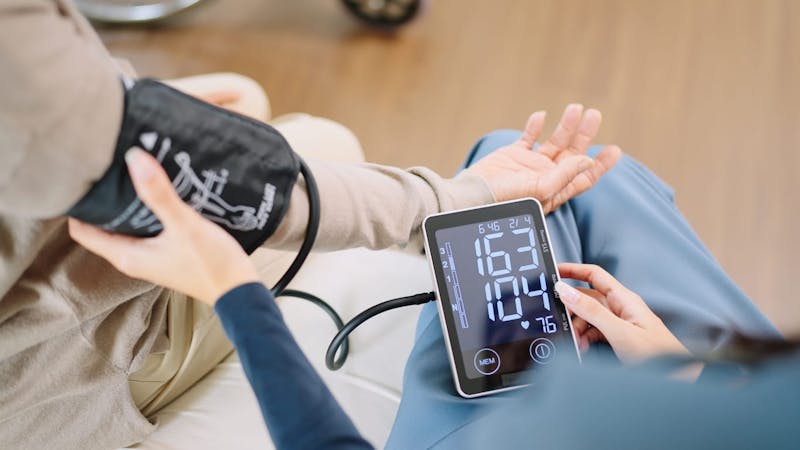
High blood pressure is often called a “silent” condition, but its effects on the heart are anything but quiet. At Heartwell Cardiology in Winter Park and Orlando, we see firsthand how unmanaged hypertension can gradually reshape the heart’s structure, strain its function, and increase the risk of serious cardiovascular events.
Under the care of Dr. Raghav Sharma, a board-certified cardiologist with advanced training in vascular and endovascular medicine, our patients receive more than numbers on a chart. They receive clear explanations, tailored strategies, and ongoing partnership designed to protect their heart health long term. Hypertension is one of the most common and most treatable risk factors for heart disease and understanding its impact is the first step toward prevention.
What Is Hypertension?
Hypertension occurs when the force of blood pushing against the walls of your arteries remains consistently too high. Over time, this increased pressure causes damage to the blood vessels and forces the heart to work harder than it should.
Because high blood pressure often produces no noticeable symptoms, many patients are unaware they have it until it is discovered during routine screening or after a complication develops. That is why annual health evaluations and cardiac consultations are so important. Early detection allows us to intervene before permanent damage occurs.
How High Blood Pressure Affects the Heart
The heart is a muscle. Like any muscle, when it is forced to work harder, it changes.
Here are some of the most significant ways hypertension impacts cardiac health:
1. Left Ventricular Hypertrophy (Thickened Heart Muscle)
When blood pressure is elevated, the left ventricle (the heart’s main pumping chamber) must generate more force to circulate blood. Over time, the muscle thickens. While that may sound protective, it actually makes the heart stiffer and less efficient.
A thickened heart muscle can lead to:
- Reduced ability to relax between beats
- Decreased oxygen supply to the heart
- Increased risk of heart failure
2. Coronary Artery Disease
High blood pressure damages the inner lining of arteries, making them more susceptible to plaque buildup. This accelerates atherosclerosis, narrowing the coronary arteries and restricting blood flow to the heart muscle.
This can ultimately lead to:
- Chest pain (angina)
- Heart attacks
- Long-term cardiac damage
3. Heart Failure
When the heart is overworked for years, it may eventually weaken or stiffen to the point that it cannot pump blood effectively. This condition, known as heart failure, does not mean the heart stops; but it does mean it struggles to meet the body’s needs.
Patients may notice:
- Shortness of breath
- Swelling in the legs
- Fatigue
- Reduced exercise tolerance
4. Arrhythmias
Structural changes in the heart caused by hypertension can interfere with its electrical system. This increases the likelihood of abnormal heart rhythms, including atrial fibrillation, which carries an elevated risk of stroke.
Why Hypertension Is Often Overlooked
One of the most dangerous aspects of high blood pressure is that it rarely causes symptoms until damage has already occurred. You may feel completely normal while silent strain is building within your cardiovascular system.
Risk factors for hypertension include:
- Family history of heart disease
- High sodium intake
- Sedentary lifestyle
- Obesity
- Chronic stress
- Diabetes
- Sleep apnea
This is why at Heartwell Cardiology, we emphasize proactive screening and early evaluation. Waiting for symptoms is not a strategy; it’s a gamble on your heath.
The Heartwell Approach to Managing High Blood Pressure
Our philosophy is simple: meet, treat, thrive.
When you come to Heartwell for concerns about blood pressure, your care begins with a comprehensive cardiac consultation. Dr. Sharma takes time to understand your medical history, lifestyle, and long-term health goals.
From there, we develop a tailored plan that may include:
- Advanced diagnostic testing when indicated
- Blood pressure monitoring strategies
- Nutrition and lifestyle coaching
- Medication management when necessary
- Ongoing follow-up to track progress
Importantly, we do not default immediately to medication without evaluating the full picture. For many patients, sustainable improvements in diet, activity, stress management, and sleep can significantly reduce blood pressure and overall cardiovascular risk.
When medication is needed, it is carefully selected and closely monitored to ensure optimal results with minimal side effects.
Prevention: The Most Powerful Tool
Hypertension is one of the most modifiable risk factors in cardiovascular medicine. With the right guidance, patients can often:
- Lower their blood pressure
- Reduce strain on the heart
- Decrease risk of stroke and heart attack
- Improve energy and overall well-being
Small, consistent changes produce measurable, meaningful results. That is why our team remains actively involved beyond the initial diagnosis. We travel with you through every stage of care.
Protecting Your Heart Starts Today
At Heartwell Cardiology, we believe that authority in medicine comes not only from training and credentials, but from transparency, compassion, and results. Dr. Sharma’s background in internal medicine, vascular medicine, and interventional care allows him to approach hypertension from both a preventive and a structural standpoint. More importantly, he approaches it with you at the center of every decision.
If you have been diagnosed with high blood pressure, or if it has been more than a year since your last cardiovascular evaluation, this is the right time to act.
Schedule your cardiac consultation with Heartwell Cardiology in Winter Park or Orlando and take the next step toward informed, proactive heart health. With the right plan and the right partner, high blood pressure does not have to define your future.